This article is brought to you by Suzie Wilson with Happier Home. For more tips, visit her site at happierhome.net
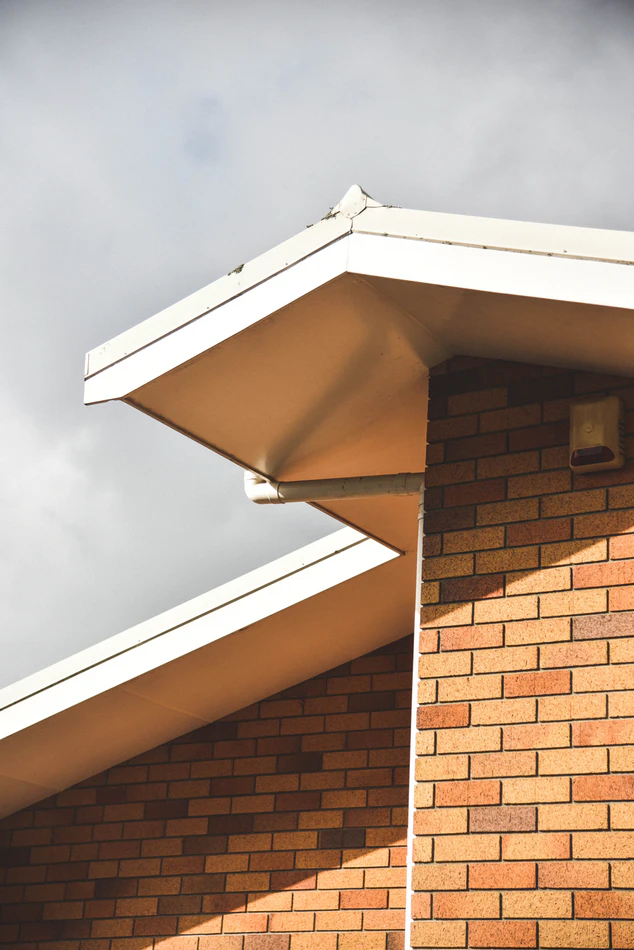
Image courtesy of Unsplash
Cost-Effective Solutions for Managing Winter-Related Home Damage
The elements can really take a toll on your home. With winter wind, temperature fluctuations, and precipitation thrown in the mix, by the time spring rolls around, it’s not unusual for homes to need some TLC. Thankfully, some common winter-related issues are preventable or easy fixes. Here’s how you can get a handle on winter-related damage while keeping costs in check.
Roof Repairs
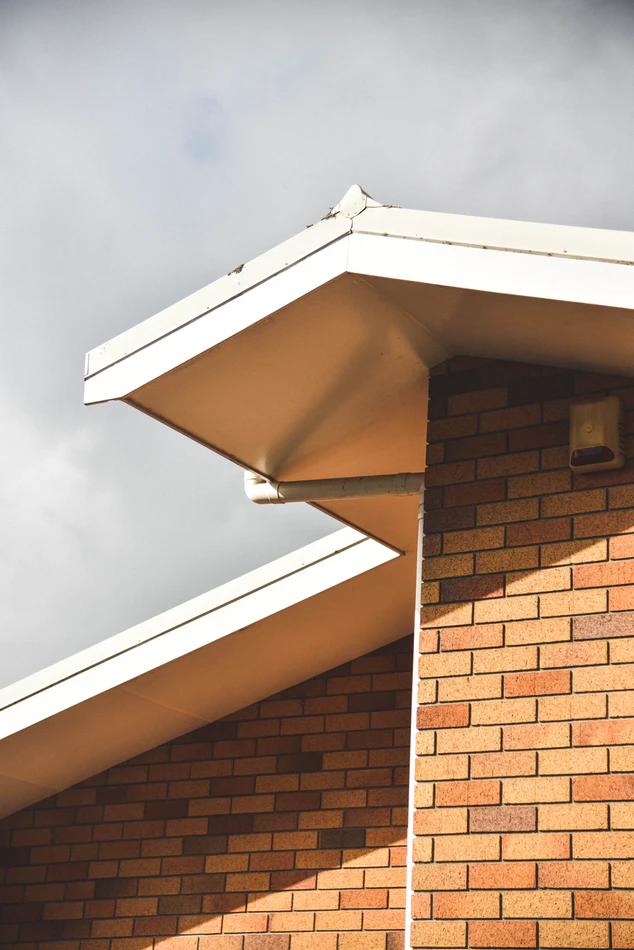
Old Man Winter can really wreak havoc on your roof. The temperature changes and precipitation can lead to all sorts of concerns, such as leaky flashing and gutter damage. Luckily, these are issues you can address yourself without too much trouble.
Flashing refers to the metal strips at the edges, seams, and corners of your roof. If they pull away or were not installed properly, this can lead to leaks. You can inspect the flashing yourself, looking for bent pieces or gaps where water could seep into the house. Ensure it’s fastened properly, and caulk any suspicious openings.
As Family Handyman explains, many gutter-related issues are also DIY-friendly. Small breaches from limb damage can be mended with a slip joint, loose gutters can be resecured with brackets, and a gutter apron eliminates annoying drips. All these solutions can be handled with a trip to the hardware store, a small investment in materials, and a little bit of your time.
These small roof repairs are simple, and they can help you avoid bigger expenses and more hassle in the long run. Keep in mind roof damage is more than just replacing your roof — although that’s expensive enough. A new roof will typically run $300 to $500 per square foot.
In addition to the cost of a new roof, water damage and leaks can mean ruined belongings, or at least moving them out of harm’s way until repairs are made. While there are cost-effective storage solutions — the average price of a storage unit in Seattle comes in at $112 per month — it’s one more expense, plus you have the labor of having to haul your things back and forth. It’s easy to see why nipping trouble in the bud is your best strategy.
Dodging Drafts
Roofs aren’t the only places you might need to caulk once warm weather arrives. Temperature fluctuations can cause the caulk around your windows to pull away or crack. While this isn’t normally an issue that causes extensive home damage unless water or pests are getting in, the gaps can mean lost energy and higher utility bills.
Thankfully, this is another simple DIY. Materials are minimal — you need a caulking gun, appropriate caulk, rags, and a putty knife — and you just remove the old caulk and install the new caulk. It’s simple, and it’s well worth it in the long run!
Plumbing Problems
Many of the plumbing issues that can hurt your home during the winter months can be avoided with some proactive measures while the weather is good. Frozen pipes, for instance, can lead to damaged walls and foundation troubles, but a layer of insulation can help avoid all that. Home repair expert Ron Hazelton points out pipe insulation is simple and inexpensive to install. You can just purchase pre-slit foam insulation, trim it to size, and wrap it around your pipes.
Another plumbing concern best managed in warmer months is water heater maintenance. While your water heater can go on the blink at any time of the year, it’s particularly troublesome when there is a chill in the air or the holidays are upon you.
Maintaining a water heater is easy, as This Old House explains. You can test the valve and anode rod, drain out sediment, and adjust the temperature as needed. Left untouched, though, you’ll shorten its lifespan and could end up with cold water at the worst possible times.
Winter can be tough on your home, but some small preparations and fixes now can help you avoid bigger expenses later. Address concerns with your windows and roof, and be proactive with your plumbing. You’ll be well-prepared when colder weather comes along, and with minimal time, energy, and money put into it.