

This week's blog is brought to you by Julian Lane from Thefixitchamp.com
You can reach him at julian@thefixitchamp.com and for more information please visit his website at TheFixitChamp.com

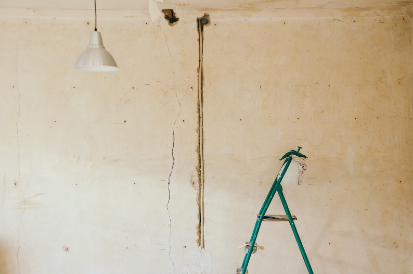
Photo By: Unsplash
Owning your own home comes with plenty of perks such as independence, stability, tax breaks, and the sheer pride you feel in being able to call yourself a homeowner. However, when home repairs need to be made, you can’t depend on a landlord or apartment maintenance team to swoop in and save the day. That leaves you to not only foot the bill, but also to find the right professional for the job. To keep home repairs from wrecking your finances and causing a major headache, check out the following tips.
Don’t Get Caught Unprepared
If you’re like most people you have some savings set aside for unexpected expenses such as car repairs, medical bills, or a spur of the moment splurge. As a homeowner, it’s critical to have money set aside for a rainy day home repair fund. Why? According to HomeAdvisor, the national average for a major home repair or renovation is $10,538, and includes problems like a roof repair, plumbing issues, foundational problems, and water damage. Even minor repairs can cost you $1,000 or more, so it’s crucial that you have a home repair fund. The general rule is that you should take 10 percent of your home’s monthly mortgage payment and put it into a liquid savings account so you can access it quickly. Consider putting aside more if your home is older or you are anticipating a repair. Not sure about the cost of some of the common home repairs? Use this list from Sofi so you know what to expect.
If You Do Get Caught
Emergencies happen, so what are you to do if a repair needs to be made and you don’t have funds to cover it? Before you do anything, take a look at your home insurance policy to see if the repair or damage might be covered. Most policies don’t cover mold damage, sewage backups, and homeowner neglect. If you cause further damage by trying to fix the problem yourself, you might not be able to make a claim either. If your insurance won’t cover the problem, look into government assistance via loans and grants. If you’re really in a pickle, you might consider a home equity loan or a second mortgage. A great way to prevent these emergencies from cropping up is by staying on top of home maintenance. This in-depth maintenance checklist courtesy of HSH details tasks to stay on top of each season, as well as monthly, yearly, and long-term tasks.
Find the Right Person for the Job
When it comes to home repairs and renovations, you have three options: hire a handyman, hire a contractor, or do it yourself. The biggest difference between a handyman and a contractor is that a contractor must be licensed by the state, meaning they have gone through the necessary training to meet state requirements. A handyman is still very skilled in a particular area, and can get the job done. In general, a handyman is the best option for small repairs, while a contractor is the safest route for large repairs with big price tags due to liability and insurance purposes. When hiring a professional, be wary of potential scams such as wanting money upfront or verbal quotes. Be sure to treat the hiring process like an interview and ask for a list of references. Before deciding on one, get at least three quotes so you can be sure you are getting the best price. Keep in mind there are some simple repairs you can do yourself, such as unclogging the drain, repairing broken tiles, or re-caulking the shower. However, anything you aren’t familiar or comfortable with needs a professional’s touch.
Home repairs and renovations are a costly but necessary part of homeownership. To avoid an expensive surprise, start putting money in a home repair fund. If you get caught off guard, explore financing options such as an insurance claim or government loan. Most importantly, hire the right person for the job so it is done right the first time. Repairs are necessary, but breaking the bank isn’t.


