Published May 14, 2024
How to Make Your Home More Energy-Efficient and Environmentally Friendly


Making your home more energy-efficient
and environmentally friendly is beneficial for the planet and your wallet. Implementing
simple changes and upgrades can reduce your energy consumption, lower your
utility bills, and minimize your carbon footprint. In this comprehensive guide,
we will explore various strategies and tips to help you transform your home
into a more sustainable and eco-friendly space.
Conduct an Energy Audit
Before you embark on your journey to
improve your home's energy efficiency, conducting an energy audit is essential.
This audit will help you identify areas where energy is wasted and pinpoint
improvement opportunities. You can hire a professional or conduct a DIY audit
using online tools and resources. By understanding your home's energy usage
patterns, you can develop a targeted plan to enhance efficiency.
Consider Transitioning to an Energy-Efficient Home
If the energy audit shows that you must
put a lot of work and money into making your home energy-efficient, you might
want to consider selling and buying a new home. By starting fresh in a home
designed for efficiency, you can enjoy reduced energy bills and a smaller
environmental footprint from day one. While this is a big decision, it marks
the beginning of a greener lifestyle.
But whether you’re moving locally,
long-distance, or out of state, you should hire a reliable moving company. Big Man's Moving
Company is a great choice as they have plenty of experience with
packing and transporting belongings and can do it all in only one trip. As
such, you can begin your new life with a more eco-friendly move.
Upgrade to Energy-Efficient
Appliances
One of the most effective ways to reduce
energy consumption in your newly bought home is by upgrading to
energy-efficient appliances. Look for appliances with the ENERGY STAR label,
which indicates that they meet strict energy efficiency guidelines set by the
Environmental Protection Agency (EPA). Switching to energy-efficient refrigerators,
washing machines, dishwashers, and HVAC systems can significantly decrease energy
usage and lower utility bills.

Improve Insulation and
Sealing
Proper insulation and sealing are crucial
for maintaining a comfortable indoor temperature
and reducing energy loss. Check for gaps and leaks around doors, windows, and
ductwork, and seal them with caulk or weatherstripping. Additionally, consider
adding insulation to your walls, attic, and basement to prevent heat transfer
and improve energy efficiency. Investing in quality insulation and sealing
materials can lead to substantial energy savings year-round.
Install Energy-Efficient
Lighting
Traditional incandescent bulbs consume a
lot of energy. They also have a relatively short lifespan compared to
energy-efficient alternatives such as LED and CFL bulbs. You can lower your
energy usage by replacing your old bulbs with LED or CFL lights. Additionally,
you can reduce the frequency of bulb replacements. These modern lighting
options are more energy-efficient and produce less heat. That makes them safer
and more comfortable to use.
Make Your Home More
Energy-Efficient by Harnessing Solar Power
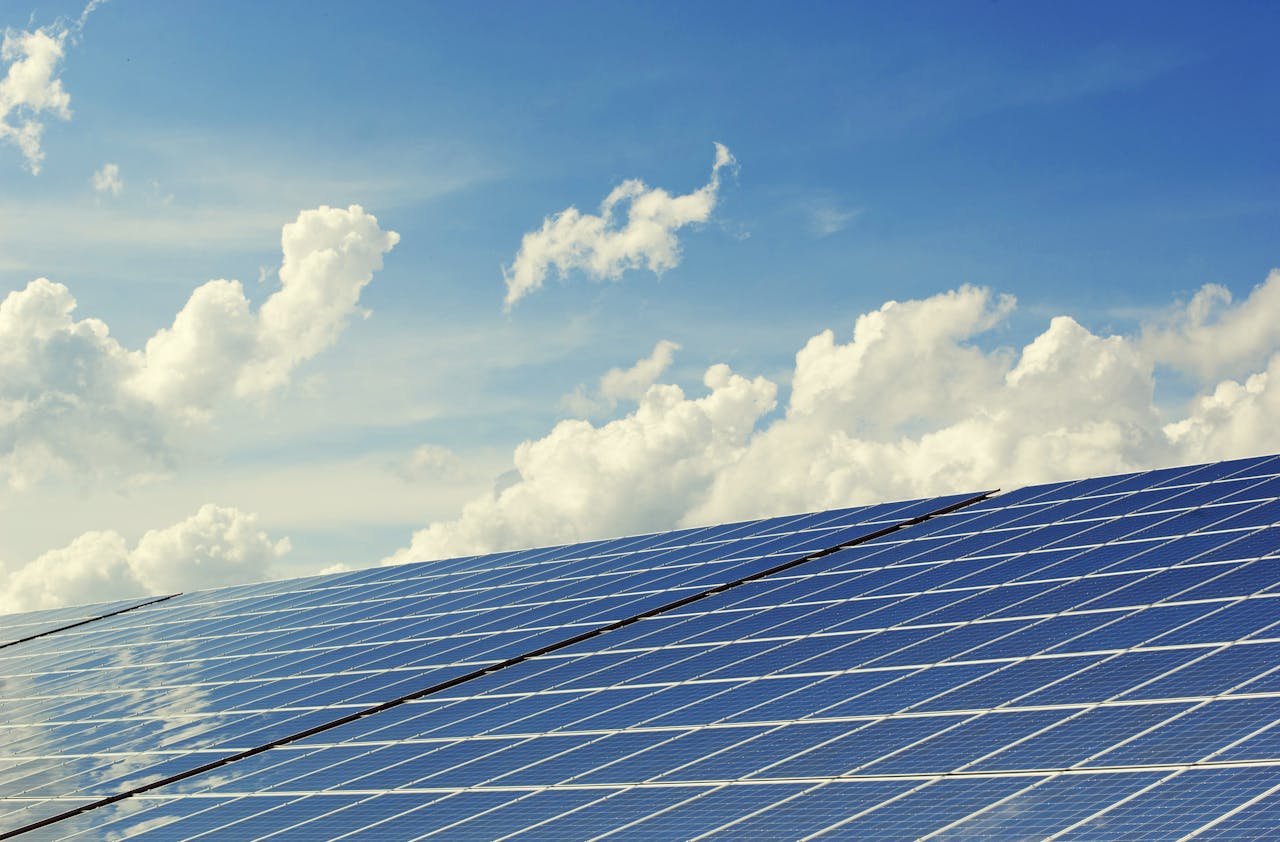
Solar energy is a clean and renewable
source of power. It can help you reduce your dependence on traditional energy
sources. Installing solar panels on your roof or yard allows you to generate
electricity from sunlight. This electricity can be used to power your home's
appliances and lighting. While the initial cost of solar panel installation may
seem high, the long-term savings on energy bills and potential tax incentives
make it a worthwhile investment for many homeowners.

Optimize Heating and Cooling
Systems
Heating and cooling generate significant
residential energy consumption, especially in regions with extreme
temperatures. To optimize your HVAC system's efficiency, schedule regular
maintenance to ensure it operates smoothly and efficiently. Additionally,
consider upgrading to a programmable thermostat, which allows you to adjust
temperature settings based on your schedule and preferences, saving energy when
you're away from home or asleep.
Embrace Smart Home Technology
Smart home technology offers innovative
solutions for improving energy efficiency and reducing waste. From smart
thermostats and lighting systems to energy monitoring devices, numerous gadgets
and tools are available to help you manage and control your home's energy usage
more effectively. By integrating smart technology into your home, you can
automate energy-saving processes and make informed decisions about your energy
consumption.
Conserve Water Usage
In addition to reducing energy
consumption, it's essential to conserve water, another precious resource.
Simple changes like installing low-flow faucets and showerheads, fixing leaks
promptly, and using water-saving appliances can help minimize water waste and
lower water bills. Additionally, consider collecting rainwater for irrigation
and investing in a water-efficient landscaping design to reduce your
environmental impact further.

Practice Sustainable Living
Habits
Beyond making physical changes to your
home, adopting sustainable living habits can also contribute
to a more eco-friendly lifestyle. Simple actions like turning off lights when
not in use, unplugging electronics, recycling, composting organic waste, and
reducing water usage can all make a difference in conserving resources and reducing
environmental harm. Encourage your family members to join you in these efforts
to create a more sustainable household.
Monitor and Track Your
Progress
Finally, to ensure that your efforts to
make your home more energy-efficient are paying off, monitoring and tracking
your progress over time is essential. Keep records of your energy usage,
utility bills, and any upgrades or changes you make to your home. By regularly
reviewing this information, you can identify areas for further improvement and
celebrate your achievements as you move closer to achieving your sustainability
goals.
Conclusion
Making your home more energy-efficient and environmentally friendly is a worthwhile endeavor that benefits both the planet and your finances. Following the tips and strategies outlined in this guide can reduce your energy consumption, lower your utility bills, and minimize your carbon footprint. Whether upgrading appliances, improving insulation, harnessing solar power, or adopting sustainable habits, every step brings you closer to creating a more sustainable and eco-friendly home for yourself and future generations.