
Published September 17, 2026
How to Spot and Solve Home Inspection Issues to Keep Your Closing on Track

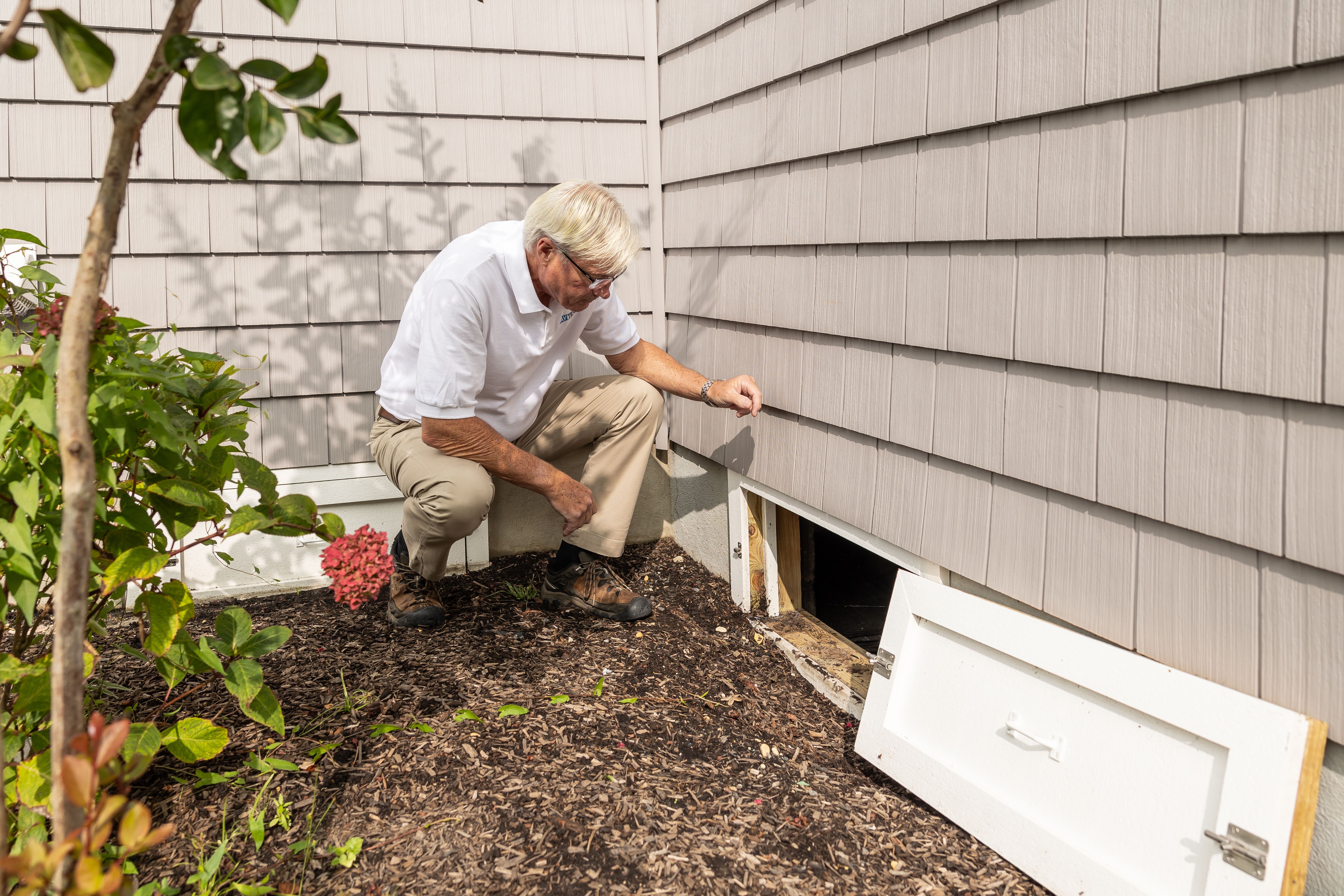
For real estate buyers trying to lock in a move date and home sellers counting on a clean handoff, the real estate closing process can feel steady, until the inspection report lands. Many home inspection delays aren’t caused by bad intentions; they come from inspection-related transaction issues that trigger questions, follow-ups, and new terms that both sides must address. Even routine findings can create uncertainty about cost, timing, and responsibility, which can slow decisions and stretch deadlines. Clear expectations around what tends to derail closings helps both parties stay calm and keep momentum.
Spot Inspection Red Flags Before They Slow the Deal
Inspection surprises don’t just add stress, they create real transaction delay causes like renegotiations, contractor scheduling, and lender conditions that must be cleared before closing. Use these warning signs to spot common home inspection problems early and understand why they can slow the deal.
- Start outside: grade, gutters, and roof edges: Walk the perimeter after a rain if possible. Look for downspouts dumping water next to the foundation, soil sloping toward the home, or missing shingles and soft roof edges. These issues often trigger repair requests because water intrusion can create bigger hidden damage, and insurers/lenders may push back on active roof leaks or visible deterioration.
- Test “every drop” in plumbing (and watch for patchwork): Run multiple fixtures at once for 3–5 minutes and check under sinks for drips, corrosion, or mismatched newer sections spliced into older piping. Slow drains and water stains are inspection warning signs that plumbing problems are more than a simple tightening job. Big repair ranges can stall negotiations and timelines, replacing plumbing supply pipes can run $1,500 to $15,000, because buyers may seek credits and lenders may require active leaks be fixed before funding.
- Scan ceilings, windows, and baseboards for “water history”: Bring a flashlight and look for brown rings, bubbling paint, swollen trim, or a musty smell near exterior walls and windows. Even if it’s “dry today,” this often leads to deeper inspection and specialist quotes (roofing, drainage, mold). The delay usually comes from needing proof the cause was corrected, not just cosmetic patching.
- Open the electrical panel and look for red flags you can photograph: Without touching wiring, check for double-tapped breakers, scorch marks, loose knockouts, or a panel label that doesn’t match what you see. Electrical defects can affect safety and insurability, creating lender approval hurdles if repairs require a licensed electrician and permits. Negotiations can bog down when the fix isn’t a quick swap but a scoped upgrade.
- Check the attic/basement for structure and ventilation clues: In the attic, look for dark staining on roof decking, compressed insulation, or bathroom fans venting into the attic instead of outside. In basements/crawlspaces, look for standing water, sagging beams, or fresh paint only on lower walls. These are common home inspection problems that can shift from “minor” to “engineer needed,” and that extra evaluation is a classic schedule killer.
- Confirm HVAC and water heater age, function, and service records: Turn systems on briefly, note unusual noises, and find the manufacture dates on the labels. If maintenance is unknown, budget for a tune-up or further evaluation during the inspection window. Since 80% of home sale prices are negotiated twice, after the inspection, old or failing mechanicals frequently become the reason credits and repair addendums take longer than expected.
- Treat “DIY upgrades” as permit and proof questions, not just style: Look for flipped outlets, new recessed lights, garage conversions, or freshly finished basements, then ask for permits, contractor invoices, and warranties. Unpermitted work can create appraisal issues and lender conditions, even if it looks good. The fastest path through negotiations is being able to verify what was done, by whom, and when.
Keep Repairs on Track With One Living Inspection PDF
Once you’ve identified the red flags that can derail a deal, the next challenge is keeping the supporting paperwork from spiraling into a confusing email chain. Inspection-related documentation rarely stays static: as questions come up and repairs are negotiated, you may collect contractor estimates, repair invoices, permits, photos, or specialist evaluations that didn’t exist on inspection day. Instead of scattering those updates across separate files (or rebuilding a “final” packet over and over), use a single living PDF that you simply expand as new information arrives. Tools for adding pages to a PDF make it easy to insert new pages right where they belong, so an electrician’s quote can sit next to the electrical notes, or a permit and paid invoice can follow the page that called for the fix.
Keeping everything together in one shareable file creates a cleaner, more complete record that’s faster to review and easier to pass between buyer, seller, and agents without version confusion. With your documents staying organized as they evolve, the next step is using a simple prep and communication plan so everyone knows what’s been done, what’s pending, and what to expect next.
Set Up a Pre-Inspection Prep and Response Plan
This quick prep routine helps you reduce surprise findings, prove what was fixed, and respond calmly when the inspector flags something new. For most people, that means fewer delays, clearer choices, and less back-and-forth right when timing matters.
- Do a quick walkthrough and list “known issues.”
Start with a visual inspection of the home and note anything obvious like drips, stains, sticky windows, missing outlets covers, or a noisy furnace. You are not diagnosing, just spotting items that could trigger questions. This gives you a practical to-do list before the official inspection. - Pre-build a repair-proof package with photos and dates.
Create a simple template for every repair: before photo, short description, contractor contact info, invoice or receipt, after photo, and any permit number if applicable. Take photos in good light, from two angles, and include a wide shot that shows location so a reviewer can verify where it is. Clear proof reduces debates and keeps negotiations focused on facts. - Decide your contingency boundaries in writing.
Buyers should set a repair budget limit, identify a few deal-breakers, and decide whether they prefer fixes, credits, or price changes. Sellers should decide what they will address quickly versus what they will disclose and price in. Having these guardrails ready helps you respond within deadlines instead of renegotiating from scratch. - Set a communication cadence and one point of contact.
Agree on who collects quotes, who sends updates, and how often everyone will check in, such as one daily summary during the inspection window. Use a single email thread or shared folder so questions and answers stay visible to all decision-makers. This prevents missed messages that can stall approvals or signatures. - Create a “new finding” workflow before findings arrive.
Line up two to three contractors who can provide fast estimates and confirm what details they need, such as photos, measurements, or access times. Keep a checklist handy so you can quickly access the form and record what was requested, who is scheduling, and when proof is due. When the report lands, you can move straight from discovery to resolution.
Home Inspection Timing and Repair Q&A
Q: What inspection issues most often delay closing?
A: Safety or system items tend to slow things down: active leaks, electrical hazards, roof concerns, HVAC performance questions, or missing permits. Delays usually come from getting access, waiting on bids, and aligning on “fix vs credit.” Ask for a short, prioritized list of requested items so everyone negotiates the same targets.
Q: How long do repairs realistically take once the report is in?
A: Simple fixes can happen in a day or two, but scheduling can add a week or more.
Q: When should a buyer ask for repairs versus a credit?
A: Request repairs when the issue is health, safety, or major functionality, and a recheck can confirm completion. Ask for a credit when the fix is cosmetic, preference-driven, or timing is too tight for quality work. Put the credit toward a post-close project list with contractor dates.
Q: Can a seller refuse to fix items and still keep the deal?
A: Yes, if the contract allows it and the buyer agrees to alternate terms. The key is speed and clarity: offer a credit, a price adjustment, or proof the item is already addressed. Provide receipts, permits, and photos to reduce uncertainty.
Q: Should we get specialist inspections, and will that slow everything down?
A: A specialist is worth it when the general report flags something high-impact like structural movement, electrical concerns, or sewer line risk. To avoid delays, schedule the specialist immediately and request a written opinion that includes “repair needed or monitor.” A focused scope keeps negotiations from spiraling.
Keep Closing on Schedule by Resolving Inspection Issues Fast
Inspection findings can quickly turn into stalled negotiations, missed repair windows, and stress about maintaining closing schedules. The steady path forward is a calm, documentation-first approach: focus on inspection issue resolution, rely on early defect detection to set priorities, and keep communication clear and time-bound. When that mindset drives decisions, proof arrives sooner, agreements tighten up, and preventing closing delays becomes far more predictable, building real estate transaction confidence for everyone involved. Solve the right defects early, document everything, and closings stay on track.

Beth Grotelueschen
Managing Broker, Team Lead - Beth G Homes | Beth G Homes l Keller Williams l PLACE
or another way